How to Sell a Car That Won't Start
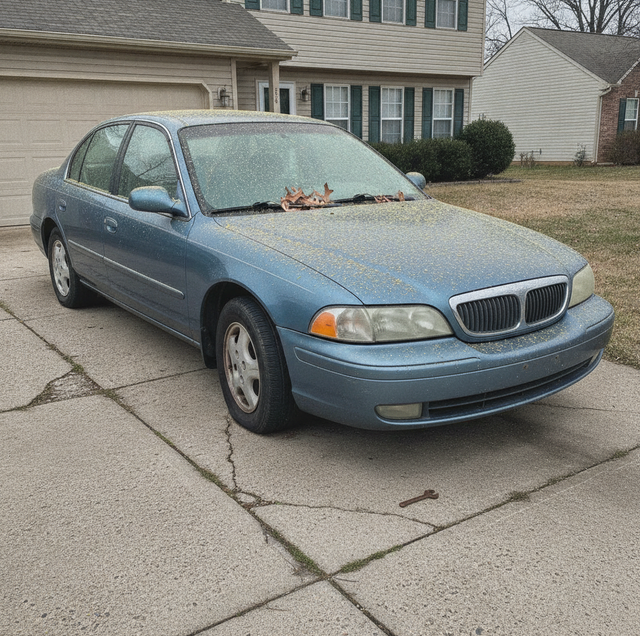
A car that will not start feels like dead weight in the driveway, taking up space and seemingly worth nothing. In fact, a non-running car still has real value and is very much sellable, you just sell it through different channels than a car you can drive to a buyer. Knowing your options, how the price is set, and what to handle before the tow truck arrives turns a dead car from a headache into cash without any surprises.
Here is how to sell a car that won't start.
Why a Dead Car Still Has Value
A non-running car is not worthless, because most of its value was never in whether the engine turns over. It is in the recyclable metal of the body and frame, in the reusable parts, and in a few high-value components, and buyers who specialize in these cars pay for exactly that. What changes with a car that will not start is the logistics: the buyer tows or hauls it rather than having you drive it in. Once you know a dead car is a routine thing to sell, the job is to choose the right buyer, understand the offer, and prepare the car and paperwork.
Your Main Options
There are a few established ways to sell a car that will not start, and they differ in effort and payout.
A junk car buyer or a service that specializes in non-running vehicles is usually the simplest route, because they purchase in any condition and arrange pickup, often with free towing. A scrapyard or junkyard buys the car largely for its scrap value, sometimes priced by weight. You can sell it privately to someone after a project or parts, though, then you arrange the buyer and the towing yourself, and you can part it out, selling valuable pieces individually, which can net more but takes real time and work. Donating the car is the last option when getting it gone matters more than the money, and it may offer a tax deduction.
What Determines the Price
Understanding how the offer is built makes it easier to judge. A large share of the value is scrap metal, so the car's weight matters; a heavier vehicle contains more recyclable steel and generally brings more. On top of that sits parts demand, which varies by make, model, and year, since common vehicles have buyers waiting for their parts. One component is worth naming on its own: the catalytic converter is often the single most valuable part of a junk car because of the precious metals inside, so whether the car still has its converter noticeably affects the offer. Scrap-metal prices also move with the commodity market, which is why a quote can differ from month to month. This is why buyers ask for your make, model, year, and condition: they are pricing the combined scrap, parts, and converter value.
Before the Tow Truck Comes
A little preparation protects you and speeds the sale. Get your ownership paperwork in order: you generally need the title or other proof of ownership to establish your right to sell, and you will disclose that the car does not run. If you do not have the title, do not assume you are stuck; some buyers can work with a registration and photo ID or guide you through your state's process, so it is worth asking rather than walking away. Then, before the car leaves, remove the license plates, since in most states you keep or surrender the plates rather than sell them with the car, and cancel the registration and insurance so you are not paying for a car you no longer own. Finally, clear out personal belongings and check the glovebox, trunk, and under the seats, and remove any aftermarket add-ons you want to keep, like a stereo or nicer wheels, before the car is hauled off for good.
Can I sell a car that won't start without a title?
Often, yes, though it takes an extra step. Some junk car buyers accept a car with a registration, and your photo ID, or with a bill of sale, and some states have a process to get a replacement or bonded title, or allow selling a low-value vehicle without one. The rules vary by state, so the practical move is to ask the buyer what they accept and check your state's DMV requirements, rather than assuming a missing title makes the car unsellable.
Is my car worth more sold whole or parted out?
Parting it out, selling the catalytic converter, alternator, good tires, battery, and body panels separately, can bring more total money than selling the whole car, because you capture each part's individual value. The trade-off is real work: you have to remove parts, list and ship them, deal with buyers, and then still dispose of the shell. For most people, the convenience of selling the whole car in one transaction, with the buyer handling pickup, is worth more than the extra dollars parting out would net.
Does "free towing" mean I actually get less for the car?
Not necessarily. Reputable junk car buyers fold the pickup into their offer and quote you a net price, so "free towing" means the tow is included, not billed separately, rather than quietly subtracted afterward. The thing to confirm is that the quoted price is what you will be paid at pickup, with no tow fee or deductions added at the door. Getting the offer confirmed for your specific car and condition up front is how you avoid a lowered number when the truck arrives.
Why did two buyers quote me very different amounts?
Because they weigh the value drivers differently, and prices move. One buyer may have a strong demand for your model's parts, another may be pricing mostly on scrap weight, and the scrap-metal market itself shifts month to month. Whether the catalytic converter is still on the car can also swing an offer significantly. Getting a couple of quotes and making sure each is based on the same details, especially the converter and overall completeness, lets you compare them fairly.
What if my catalytic converter was already stolen?
Then expect a lower offer, because the converter is often the highest-value single part and buyers price its absence. Converter theft is common on parked, non-running cars, so it is worth checking underneath before you get quotes. A missing converter usually leaves a gap and a freshly cut exhaust pipe. Being upfront that it is gone gets you an accurate quote rather than a number that drops when the buyer inspects the car, and the car is still sellable for its remaining scrap and parts value.
How quickly can I sell a non-running car?
Usually fast. Because junk car buyers purchase in any condition and handle towing, they can often make an offer the same day based on your car's details and schedule pickup within a day or two, paying you when they collect the car. Having your title or ownership paperwork ready, the plates off, and the car accessible for a tow truck is what keeps it quick, so gathering those before you call speeds the whole thing up.
What It Comes Down To
A car that will not start still holds value in its scrap metal, its parts, and especially its catalytic converter, and selling it is mostly a matter of choosing the right buyer, understanding how the offer is built, and prepping the car and paperwork. Get a quote or two on the same details, confirm the price includes the tow, pull your plates and belongings, and have your ownership paperwork ready. Handle those, and that dead weight in the driveway becomes cash and open space with no surprises at pickup.
If you've got a car that won't start, we'll make you an offer and haul it away. I Buy Junk Cars serves Phoenix and across the Valley. Call (480) 771-8290.