Junk Car Buyer vs Dealership Trade-In: Which Is Better for an Old Car?
You are standing in a dealership showroom with your old car's keys in your pocket, and a salesperson has just come back from "talking to the manager" about your trade-in number. Somewhere in that back office, someone ran your car's VIN through a valuation tool built for cars that still run, still drive, and still have a place on a used-car lot. Your car might not fit that mold anymore, and that mismatch is exactly why the trade-in offer on a tired, high-mileage, or non-running vehicle so often lands lower than sellers expect.
A junk car buyer works from a different starting point entirely. Instead of asking what a used-car shopper would pay for your vehicle, they ask what the metal and parts inside it are worth. Two appraisal systems, two very different answers for the same car sitting in your driveway. Knowing how each one actually works, not just what number it spits out, tells you which route fits the car you have.
How A Dealership Trade-In Actually Gets Appraised
A trade-in valuation starts with a market-comparison tool. The dealership plugs in your year, make, model, mileage, and options, and the software pulls recent sale prices for similar vehicles at auction and on used-car lots. That comparison only works when there are enough similar vehicles selling to compare against, which is exactly the group an old or heavily worn car tends to fall out of.
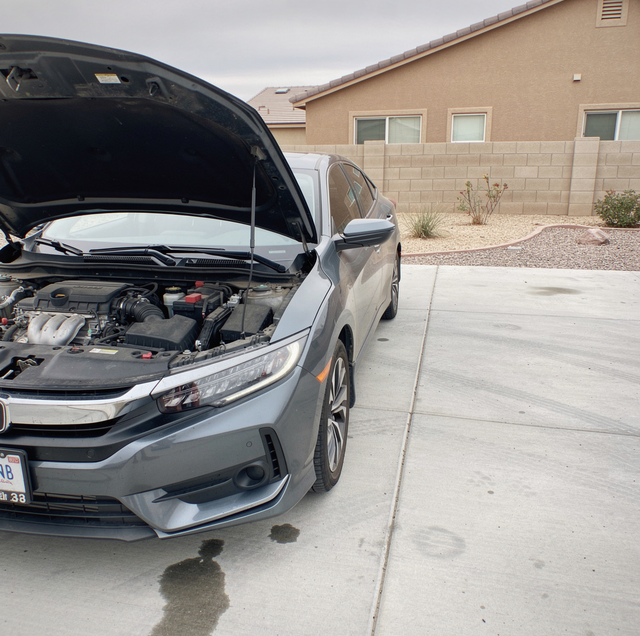
From there, a used-car manager does a walk-around inspection, checking tires, brakes, glass, upholstery, and whether the car starts and drives normally. Anything that would need reconditioning before the car could go back on the lot- new tires, a windshield, interior repairs- gets subtracted from that market-comparison number. A car with a blown head gasket or one that will not start at all typically gets valued as wholesale scrap or sent straight to an auction lot the dealership uses for vehicles it does not want to recondition and resell. In that scenario, you are not really getting a trade-in number at all. You are getting an auction-house estimate, filtered through a salesperson with little incentive to push it higher.
How A Junk Car Buyer Appraises The Same Vehicle
A junk car buyer skips the used-car comparison entirely. The two numbers that matter are the vehicle's weight in recyclable metal and the resale demand for its individual parts, engine, transmission, alternator, catalytic converter, body panels, and glass. Whichever of those two totals is higher sets the offer.
That means condition works in the opposite direction from a dealership appraisal. A car that will not start, has a cracked windshield, or is missing a bumper does not get penalized for failing a road-ready test, because nobody is testing it for road-readiness. The car is being priced based on materials and components, not transportation. A complete, heavy vehicle with an intact converter can be worth accounting for even with a dead engine, while a light, stripped, non-running car sits closer to bare scrap value. The condition questions a junk buyer asks are about what is still on the car, not whether it drives well enough to sit on a lot.
Side-By-Side Comparison
| Factor | Junk Car Buyer | Dealership Trade-In |
|---|---|---|
| Valuation basis | Scrap weight plus resale demand for parts | Market comparison to similar used vehicles for sale |
| Speed | Quote by phone or online; pickup often same day | Requires an appointment, in-person walk-around, and negotiation |
| Condition requirements | Accepts non-running, wrecked, or stripped vehicles | Needs to start, drive, and pass a reconditioning check |
| Title and paperwork | Often works without a title through alternate paperwork | Clean title generally required to complete the trade |
| Purchase obligation | None; a standalone transaction | Tied to buying or leasing another vehicle |
| Payment timing | Cash at pickup, same visit | Applied as a credit toward a new purchase, not cash in hand |
| Best fit | Old, high-mileage, or non-running cars with no resale future | Cars in decent working condition, sold alongside a new purchase |
Why Paperwork Requirements Split The Two Paths
A trade-in is a legal transfer bundled inside a bigger transaction, the purchase or lease of your next vehicle. That means the dealership's finance office needs a clean chain of title before the deal can close, since the car has to be resold or auctioned under a title that traces back cleanly to you. A lost title, a lien that has not been released, or a name mismatch can stall or sink the trade-in entirely, and dealerships are not usually set up to chase down a title on your behalf.
A junk car buyer handles far less paperwork because the endpoint is different. The vehicle is headed to a dismantler or a recycler, not back onto a lot for another driver to buy, so the ownership standard that has to be met is lower. Many junk buyers can still complete a purchase using a bill of sale, current registration, or other documentation where local rules allow it, filling the gap left by a missing title. If your paperwork situation is messy, that flexibility alone can decide which route is realistic.
Why Speed Looks So Different Between The Two
A trade-in runs on the dealership's calendar. You schedule an appointment, wait for an appraiser, sit through a walk-around, and then negotiate a number that gets folded into financing terms on the new vehicle. Multiple people touch the deal: the salesperson, the used-car manager, and finance, and each one adds time before you get a number, let alone a check or a payoff on the old loan.
A junk car buyer collapses that into a phone call or an online form. The questions are narrower: year, make, model, mileage, and whether the engine turns over, and a quote can be given without anyone laying eyes on the vehicle first. Because the buyer already knows what they are going to do with the car- break it down for parts or send it to be shredded- there is no negotiation loop tied to financing paperwork. Pickup can often happen the same day the quote is accepted, with payment handed over at the vehicle rather than applied as a credit line item on a sales contract.
Matching The Car To The Right Buyer
None of this makes one option universally better. It makes each one better suited to a specific kind of car and seller.
A dealership trade-in still makes sense if your car runs well, needs little to no reconditioning, and you are already buying or leasing your next vehicle from that same dealership. In that situation, the trade-in value gets folded straight into your new financing, which can simplify the paperwork on the new purchase even if the raw number is a little lower than what you might get selling privately.
A junk car buyer is the better fit once the car has aged out of that comparison-shopping pool entirely: high mileage, a non-running engine, significant body damage, or a title that has gone missing over the years. It also fits anyone who wants cash without committing to buy another vehicle right now, since a junk sale stands on its own and does not require a second transaction to close.
What A Missing Title Or Non-Running Engine Actually Costs You At Each Stop
Picture the same non-running sedan pulled into a dealership lot versus called in to a junk buyer. At the dealership, that car likely gets flagged for reconditioning costs the moment the appraiser turns the key and nothing happens. Those costs come out of your trade-in number before you ever see it, and if the title is missing on top of that, the deal may not close at all until you track down replacement paperwork through your state's motor vehicle office.
Call a junk buyer with the same car, and the non-running engine is simply one data point in the offer, not a disqualifier. The missing title gets handled with alternate documents in many cases rather than becoming a blocker. The car's value comes from what is still inside it, not from whether it could pass a test drive around the block. That single difference in what each buyer is measuring explains most of the gap between a disappointing trade-in offer and a plain cash sale for the exact same vehicle.
Can you negotiate a junk car offer the way you can a trade-in?
There is less room to negotiate a junk car offer because the price is built from two measurable inputs, current scrap rates and parts demand, rather than a salesperson's discretion. A trade-in has more give built in since it is one line item inside a larger deal, which is also why dealership numbers vary more from one negotiator to the next.
Does a car's age by itself rule out a dealership trade-in?
Age alone does not disqualify a car from a trade-in; a well-kept older vehicle with clean maintenance records can still get a reasonable number. What typically kills a trade-in offer is a combination of age with high mileage, mechanical problems, or cosmetic wear the dealership would have to fix before reselling it.
What happens to a car after a dealership takes it as a trade-in?
A trade-in that is in decent shape often goes straight to the dealership's used-car lot for resale. One that needs significant work, or that falls outside what that dealership sells, is frequently routed to a dealer-only wholesale auction instead, where it is bought by other dealers or by buyers who deal in older and higher-mileage vehicles.
Do all dealerships use the same trade-in valuation method?
No. Most use a market-comparison tool as a starting point, but the reconditioning deductions, the negotiation room, and how aggressively a given store wants your business that month all vary. That is part of why the same car can get noticeably different trade-in numbers at two dealerships a few miles apart.
Is a junk car buyer's offer affected by how many miles are on the odometer?
Mileage matters less to a junk buyer than it does to a dealership, since the car is not being resold as transportation. What matters more is whether components such as the engine, transmission, and catalytic converter are still present and in working order, as well as the vehicle's weight for scrap purposes.
Can you get a trade-in credit without buying a new car at the same dealership?
Generally no. A trade-in is structured as part of purchasing or leasing another vehicle from that dealership, and the value gets applied as a credit against that new deal rather than paid out as cash. If you want money in hand without a second purchase attached, that is a structural difference a junk sale does not have.
Get a same-day cash quote — no trade required and no purchase attached, just a plain offer for the vehicle you have. I Buy Junk Cars serves Phoenix and across the Valley. Call (480) 771-8290.