Selling Your Junk Car vs. Donating It: Which Makes More Sense?
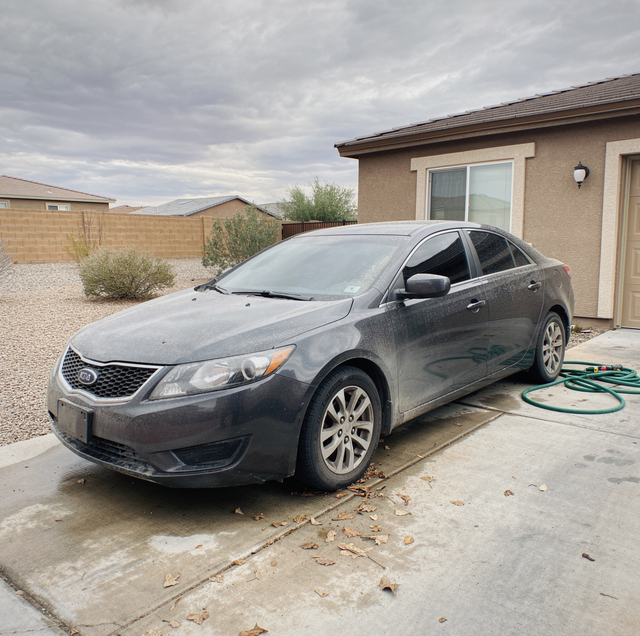
An old car sitting in the driveway eventually forces a decision. Maybe the engine finally gave out, maybe the repair estimate stopped making sense, or maybe it just became a project you never got around to. At that point, two paths tend to show up in the same search: call a buyer for cash, or hand the car over to a charity and claim a deduction later. Both get the vehicle off your property. Beyond that, they work almost nothing alike, and the differences show up in what you receive, what you sign, how long it takes, and what happens to the paperwork afterward.
Neither option is automatically the smarter move. A cash sale suits a different kind of owner and a different kind of car than a donation does, and the right call usually comes down to what you actually need from the transaction: money now, a deduction later, or the least amount of hassle either way.
What Sets The Payout Apart
A cash buyer values the car for what it physically contains: scrap metal weight, plus resale demand for parts like the engine, transmission, catalytic converter, and body panels. That valuation happens up front, over the phone or online, and the number you're quoted is close to what you receive when the vehicle is picked up.
A donation works differently because you are not being paid for the car at all. The charity, or more often a processing partner working on its behalf, takes the vehicle and typically sells it at auction or to a dismantler. What you get in return is not a payment but a receipt that supports a deduction on your tax return, and the amount you're able to claim is tied to what the vehicle actually sold for once it moves through that process, not to what you personally think it's worth. For a car with real parts value, that gap between "what a buyer would pay" and "what a charity's sale nets" can be significant. For a car that is closer to scrap already, the gap tends to be smaller because there was not much value to lose in the first place.
Paperwork Each Path Asks For
Selling to a buyer who deals specifically in non-running and high-mileage vehicles tends to involve the least paperwork of any option. A title is the standard document, but many buyers can still complete a purchase using a bill of sale, current registration, or other proof of ownership when a title has gone missing over the years. The transaction closes in one visit, and you keep a copy of the sale record for your own file.
Donating adds a step that a straight sale doesn't have: the tax side of the transaction. Beyond signing the title over to the charity or its towing partner, you'll typically receive an initial acknowledgment at pickup and then a follow-up document once the vehicle sells, showing the final sale price for deduction purposes. If the claimed value crosses a certain threshold, an additional tax form has to accompany your return. None of that paperwork is complicated on its own, but it means the donation isn't complete the moment the tow truck pulls away. You're waiting on a second piece of paper before the transaction is fully closed out.
Timeline From First Call To Done
A cash sale is built around speed. A description of the car over the phone or through an online form is often enough to get a quote, and pickup can happen the same day or within a day or two, with payment due at the time of pickup. There's no waiting period between the offer and the payoff.
Donation pickup scheduling depends on the charity's own logistics, which are rarely built around a caller's timeline the way a dedicated buyer's are. Once the car is picked up, the transaction isn't actually finished for tax purposes until the vehicle sells and the charity issues the follow-up documentation, which can take weeks. If getting the car gone quickly is the main goal, that gap matters. If you're planning to file a return well after the donation happens anyway, the delay is less of a practical problem.
The Tax Deduction Question
This is the piece that makes a donation worth considering in the first place, and also the piece worth understanding clearly before you count on it. A vehicle donation deduction only helps if you itemize deductions rather than taking the standard deduction, since a donation isn't a separate line item outside of that choice. For many filers, the standard deduction is already larger than what itemizing would add up to, which means the tax benefit from donating a car can end up being smaller than expected, or in some cases nonexistent.
When itemizing does apply, the deduction amount is generally tied to what the charity actually receives for the vehicle's sale, not to a private-party value estimate you look up yourself. There are some exceptions for cars kept and used by the charity rather than resold, but those are the less common outcome. Because the rules around vehicle donation deductions have specific documentation requirements and thresholds, it's worth a conversation with a tax preparer before assuming a particular number, rather than treating an estimate as settled.
Effort Involved On Your End
A cash sale asks little of you beyond a phone call or a short form: year, make, model, mileage, and a general description of condition. There's no cleaning required, no need to make the car presentable, and no test drive to arrange since the buyer isn't evaluating it as transportation.
A donation request asks for roughly the same basic information up front, since most charity vehicle programs use a similar intake process and towing arrangement. The extra effort shows up later, when you need to hold on to the acknowledgment paperwork, watch for the follow-up sale documentation, and make sure the deduction is recorded correctly at tax time. It's not heavy lifting, but it is a task that extends past the day the car leaves your property, which a straight cash sale doesn't require.
Side-By-Side Comparison
| Factor | Selling For Cash | Donating To Charity |
|---|---|---|
| Payout/value | Priced on scrap weight and parts demand; paid at pickup | No direct payment; value shows up later as a tax deduction |
| Paperwork | Title, or bill of sale/registration if title is missing | Title transfer plus an acknowledgment and follow-up sale documentation |
| Timeline | Quote same day; pickup often within a day or two | Pickup scheduled around the charity's logistics; deduction paperwork can take weeks |
| Tax deduction | Not applicable | Only helps if you itemize; amount tied to the charity's resale price |
| Effort involved | One call or form; no cleanup needed | Similar intake, plus paperwork to track through tax season |
| Best fit | Owners who want cash now for a car with little sentimental pull | Owners who itemize deductions and don't need money immediately |
Which Path Fits Your Situation
If the priority is getting money in hand and being done with the car in the same conversation, a cash sale is the more direct route. That holds whether the car runs or not, has a title or not, and regardless of how many miles are on it, since none of those factors disqualify a vehicle from being bought for parts and scrap.
If you already itemize deductions and you're comfortable waiting for the charity to sell the vehicle and send final paperwork, a donation can make sense, particularly for a car with enough working parts left that the resulting deduction offsets a meaningful part of your tax bill. It makes less sense for someone who takes the standard deduction, since the tax benefit largely disappears in that case, leaving the donation with fewer practical advantages over a cash sale.
There's also a middle consideration: how much the car costs you just by sitting there. Fees on an inoperable vehicle, insurance you may still be carrying, or a fine from a homeowners' association over a car parked in view all keep accumulating for as long as the decision gets put off. That ongoing cost is one more reason speed often ends up mattering as much as the payout itself.
What Happens To The Car After
Once a cash buyer takes the vehicle, it typically goes to a dismantler, where usable parts are removed and sold, and the remaining shell is recycled for its metal. Fluids get drained and contained, and components like the catalytic converter are recovered for their metal content rather than left to sit in a landfill.
The endpoint for a donated vehicle is usually similar, since most charities rely on the same network of auction houses and dismantlers to convert a donated car into funding, rather than keeping and driving the vehicle themselves. The mechanical outcome, in other words, tends to look almost identical either way. The real difference between the two paths isn't what eventually happens to the car; it's what you get out of the transaction and how long you wait to get it.
Can you donate a car that doesn't run?
Yes. Most vehicle donation programs accept non-running cars the same way a cash buyer would, since the vehicle is headed toward the same dismantling and recycling process either way. A dead engine or missing parts affects the eventual sale price, which in turn affects the deduction amount, but it doesn't disqualify the car from being accepted.
Do you need a title to donate a car?
A title is generally required to complete a donation, since the transfer has to be recorded correctly for tax purposes on both sides. If the title has been lost, most programs can walk you through getting a replacement through your state's motor vehicle office, though that adds time that a cash sale with alternate paperwork options might not require.
Is the deduction based on what the car is worth or what it sells for?
In most cases, it's based on what the charity's sale of the vehicle actually brings in, not on a value you estimate yourself. There are narrower exceptions when a charity keeps and uses the vehicle rather than selling it, but for a typical junk or high-mileage car headed to auction or a dismantler, the sale price is what determines the deduction.
Why would a cash sale make more sense than a donation for the same car?
If you take the standard deduction rather than itemizing, a donation's tax benefit mostly disappears, which tips the comparison toward a direct cash sale. Selling also gets money in hand immediately rather than waiting on a charity's pickup schedule and follow-up paperwork before the transaction is truly finished.
How long does a car donation typically take from pickup to finished paperwork?
Pickup can often occur within a week or two, depending on the charity's schedule, but the transaction isn't complete for deduction purposes until the vehicle sells and the charity sends confirmation of the sale price. That combined process often takes a few weeks or more, compared to a cash sale that can close in a single visit.
Does the condition of the car matter more to a buyer or to a charity?
Condition affects the outcome with both, but in different ways. A cash buyer factors condition directly into the offer before pickup. A charity's process is less visible to you up front, since the sale happens after the car is already gone, so condition ends up determining a smaller or larger deduction rather than a smaller or larger check.
Get a same-day cash offer instead of waiting on a donation timeline — a plain payout with no sale-price paperwork to track later. I Buy Junk Cars serves Phoenix and across the Valley. Call (480) 771-8290.