The Hidden Costs of Keeping a Junk Car You Never Drive
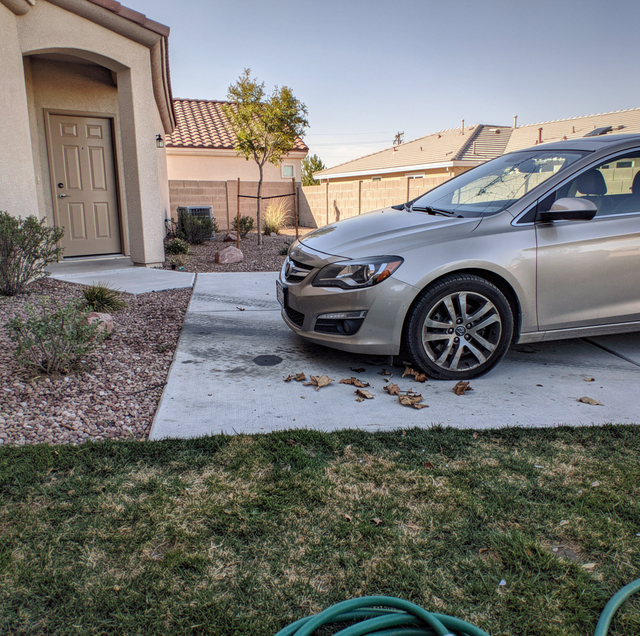
Somewhere on the property sits a car that hasn't turned over in months. Maybe the battery died, and nobody replaced it, maybe a repair estimate came in too high to justify, or maybe it's simply easier to park around than to deal with. It isn't costing anything today, or so it seems. No gas, no oil changes, no trips to a mechanic. But a car that never moves is rarely free to keep. It keeps generating bills, keeps losing value, and keeps creating small problems that are easy to ignore individually and expensive to ignore together.
None of those costs show up as a single dramatic expense. They're smaller and more spread out than that, which is exactly why an idle car survives in a driveway for years instead of weeks. Add them up, though, and the math on "just leave it for now" looks a lot different than it does on any single day.
The Insurance And Registration Bills That Keep Coming
An insurance policy doesn't know or care whether a car actually leaves the driveway. Unless the policy is formally suspended or dropped, premiums continue to be billed on the same schedule as a car driven every day. Some owners assume a parked vehicle is automatically cheaper to insure, and there are reduced-coverage options for a car that's stored and not driven, but that requires an active phone call and a policy change. Left alone, the standard coverage renews on autopilot at close to the full rate.
Registration works the same way. Most states require an active, current registration on any vehicle kept on the property, including one that never leaves it, and letting that lapse can trigger late fees or a different kind of citation depending on how it's discovered. Some owners try to get ahead of this by filing for a non-operational or planned non-operation status, which lowers the fee, but that paperwork has its own deadlines and renewal cycle. Skip it, and the standard registration and any associated fees keep coming due whether the car has moved an inch or not.
Stack insurance and registration over a full year, and the total for a car that hasn't been driven once is often close to what it costs to keep a car in daily use legal and covered. The vehicle isn't earning its keep in any sense, yet it's still billed like it is.
What An Idle Car Costs You At The Curb
A car with a flat tire, a cracked windshield, or a coat of dust and pollen sitting in front of a home or along a shared street reads as neglect to anyone passing by, including a prospective buyer if the home is ever listed. Curb appeal is subjective right up until it affects a sale price or a first impression, and an inoperable car parked in view is one of the fastest ways to make a property look less cared for than it actually is.
In neighborhoods governed by a homeowners' association, that visual problem often becomes a financial one. Most HOA rules restrict how long an inoperable, unregistered, or visibly disabled vehicle can sit in a driveway or shared area before it counts as a violation, and violations typically start with a warning letter before escalating to a recurring fine for each cycle the car remains. Those fines don't leave the car an eyesore for long. A missing inspection sticker or an expired plate is sometimes enough to trigger the first notice. Once a property is on an association's radar for one violation, it tends to draw closer attention to others.
Even without an HOA involved, some municipalities enforce ordinances against inoperable vehicles stored in view from the street, with code-enforcement fines that function the same way: small at first, larger and more frequent the longer the car stays put.
Depreciation Keeps Falling While Scrap Value Holds Steady
Every car loses value with age, mileage, and the general wear of time passing, whether or not it's ever driven. A vehicle sitting untouched for years isn't frozen in place financially; it keeps sliding down the same depreciation curve as one in daily use, and arguably faster in some respects, since long periods without being started or moved bring their own damage: flat-spotted tires, a battery that won't hold a charge, fuel that degrades in the tank, and seals that dry out from disuse rather than overuse.
Scrap and salvage value behaves almost the opposite way. It's tied largely to metal weight and the resale demand for parts like the engine, transmission, or catalytic converter, and that value holds relatively steady over time compared to a used car's resale price. A car that would have brought a meaningful trade-in offer two years ago has likely lost a real share of that market value by now, while its scrap and parts value has drifted far less in the same stretch. The gap between "what this car was worth" and "what it's worth today" keeps widening on the resale side while staying comparatively flat on the scrap side.
That asymmetry is the quiet argument against waiting. The longer a car sits, the more ground it loses as a vehicle and the less ground it loses as scrap, which means the case for holding out for a better resale number gets weaker, not stronger, with every year that passes.
The Fluids And Parts Quietly Breaking Down
A car that isn't driven doesn't stop aging mechanically just because the odometer isn't moving. Rubber hoses, gaskets, and seals dry out and crack from sitting still, not just from heat cycling under regular use, and once they crack, whatever fluid they were containing has somewhere to go. Motor oil, transmission fluid, coolant, brake fluid, and gasoline can all seep out slowly enough that nobody notices until there's a stain on the driveway or garage floor that keeps reappearing no matter how many times it gets cleaned.
A battery left in a dead or dying car for an extended period is its own separate risk. Old lead-acid batteries can leak corrosive material as they break down, and a fuel tank left half full for years develops condensation and varnish that eventually finds its way out through aging seals. None of this happens overnight, but a car parked in the same spot for a long stretch is exactly the setup where a small leak turns into a stained slab, a damaged garage floor, or fluid working its way into soil near a foundation or drainage path.
None of that damage announces itself the way a check-engine light does. It shows up as a discoloration, a smell, or a repair bill for the surface beneath the car rather than the car itself, which is part of why it's so easy to let it slide for another season, and then another after that.
Why "I'll Fix It Eventually" Almost Always Costs More
The plan to fix it eventually is rarely dishonest. Most owners fully intend to get around to the repair, the sale, or the donation once time or money frees up. The trouble is that the car doesn't wait on that timeline. Every month it sits is another month of insurance and registration billed against a vehicle earning nothing, another month of depreciation working against the resale number while scrap value barely moves, and another stretch of time for a seal to dry out or a stain to set into concrete.
"Eventually" also has a way of becoming "never" once other priorities take over, at which point the original repair estimate is usually out of date too, since a car that's sat unused for a year or more often needs more than the one repair it needed the day it stopped running: a new battery, fresh fluids, tires replaced instead of just reinflated, and a full inspection to catch what else degraded from disuse. What looked like a manageable fix at the start can turn into a longer list by the time anyone actually gets to it.
Weighed against all of that, moving a car along while it still has scrap and parts value, before the fines, the fluid damage, and the ongoing bills stack any higher, tends to be the option that costs the least in total, even though it doesn't feel urgent on any single day.
Can insurance be reduced instead of canceled on a car that isn't driven?
Often, yes. Many insurers offer a stored-vehicle policy that drops collision coverage but keeps protection against theft, fire, and weather damage at a lower premium than full coverage, but it must be requested and set up directly with the insurer. Left on a standard policy without that change, the car keeps billing at close to the normal rate.
Does a car have to be running for HOA rules to apply?
Most HOA vehicle rules are written around visibility and operability, not just whether the engine runs. A car with an expired plate, a flat tire, or visible damage can trigger a violation even if it technically starts, and a non-running car parked in view almost always qualifies. The specific triggers and grace periods vary by association, so the governing documents are the place to check for an exact timeline.
Why does scrap value stay steady when resale value keeps dropping?
Resale value is tied to what a buyer would pay to drive the car, which falls as mileage, age, and cosmetic wear pile up. Scrap and salvage value is tied mostly to metal weight and the resale demand for specific parts like the engine or catalytic converter, both of which change far more slowly than a used car's market price. That's why the gap between the two numbers tends to widen the longer a car sits.
What's the first sign a parked car has started leaking fluid?
A dark stain under the front of the vehicle, near the engine or transmission, is usually the first visible clue, often followed by a faint smell of oil, coolant, or fuel in the garage or driveway area. Because leaks from a parked car happen slowly, the stain is often the only warning before it spreads or seeps into the surface underneath.
Is a dead battery in a stored car actually a hazard?
It can be. A lead-acid battery left in a discharged state for an extended period is more prone to internal corrosion and, in some cases, leaking or swelling, especially at extreme temperatures. A corroded battery can also damage the terminals and nearby wiring it's connected to, adding another repair to the list if the car is ever started again.
Does it matter if the car still has a title when deciding to finally deal with it?
Not as much as most owners assume. A missing title slows down some options but doesn't rule out selling the car for parts and scrap, since alternate proof of ownership, like a registration or bill of sale, is often accepted in place of a lost title. Waiting for a title to turn up before addressing an idle car usually just adds more time to a decision that's already costing something every month it's delayed.
Get a same-day cash offer for the car sitting idle in the driveway — one call ends the insurance, registration, and HOA questions for good. I Buy Junk Cars serves Phoenix and across the Valley. Call (480) 771-8290.