How Same-Day Junk Car Removal Works, Start to Finish
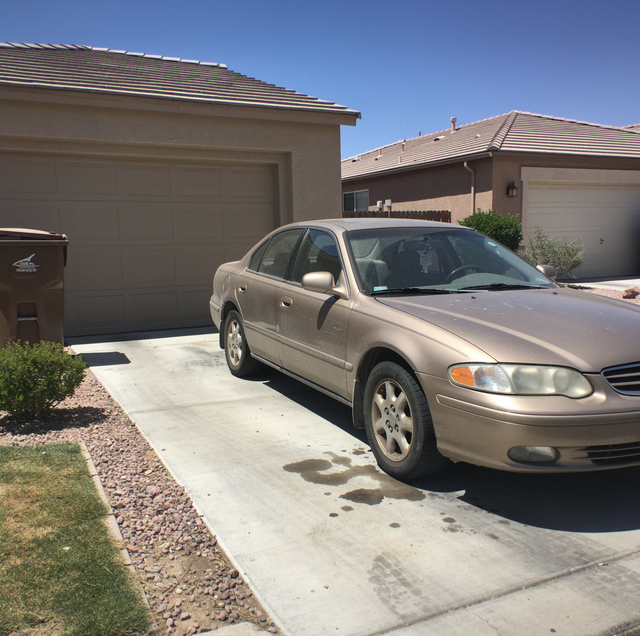
That car in the driveway stopped being a maybe a while ago. The battery won't hold a charge after sitting unused for so long, the registration lapsed, and every time you back the good car around it, you're reminded it's still there. Once you decide to move on it, the next question is practical: how fast can it actually be gone, and what do you need to have ready?
Same-day removal is a real option for many vehicles, but it's not automatic for every call. It depends on what you can tell the buyer up front, how your day lines up with the pickup schedule, and whether the paperwork is in order before the truck shows up. Here's what the process looks like in practice, from the first phone call to the moment the car leaves your property.
What an Instant Quote Actually Needs From You
A quote over the phone or online works because it's based on a handful of details that predict the car's value for parts and scrap, not because someone eyeballs it in person first. You'll typically be asked for the year, make, and model, an estimate of mileage, and whether the engine runs and drives or has to be pushed, pulled, or winched out. The VIN helps if you have it handy, since it confirms trim level and options, but it's not a dealbreaker if the plate or paperwork is missing and you can't find it.
Condition questions matter more than they might seem. A car with a blown engine but an intact body and working transmission is a different offer than one that's been stripped of its catalytic converter and interior. Flood damage, fire damage, and missing panels all affect the calculation because the value comes down to a mix of factors: the vehicle's weight in scrap metal, any parts still good enough to pull and resell, and current demand for those specific parts. Being upfront about dents, missing wheels, or a cracked windshield means the number you hear on the phone is the number you'll hear again at pickup.
Your location matters too, mainly for routing. A general area or ZIP code is usually enough at the quote stage; the exact address comes later once you're scheduling the actual pickup window.
What Decides Same-Day Versus a Scheduled Pickup
Same-day pickup mostly comes down to timing and logistics, not anything about your specific car. Calling earlier in the day gives a driver more open slots to fit you into their schedule, since tow trucks usually work a loop of stops along their route rather than driving out for one vehicle at a time. A call placed midmorning has a much better shot at an afternoon pickup than one placed at 6 p.m.
Accessibility plays a role as well. A car parked in a driveway or on the street with clear access is a quick hookup. One that's boxed in behind another vehicle, sitting in a garage, or blocked by a gate takes longer to reach and may need to be moved into position before the truck arrives, which is worth doing ahead of time if you're hoping for a same-day slot. Larger vehicles and equipment change the math too. An RV, a trailer, a boat on a trailer, or heavy equipment often needs a different kind of tow rig than a sedan, so those pickups get matched to a driver running the right equipment that day, which can push the pickup to the next available slot instead of same-day.
TIP: If you want the best odds of same-day pickup, get the quote request in during the morning and have the car pulled forward so it's the first thing a driver sees when they pull up.
What the Tow Truck Visit Actually Involves
When the truck arrives, the driver's first move is usually a quick visual check against what was described on the phone: does the mileage look about right, does the damage match, is it the vehicle that was quoted? This isn't a re-negotiation so much as a confirmation step, and it goes fast when the description was accurate going in.
From there, the vehicle gets hooked up using either a flatbed or a wheel-lift tow, depending on the vehicle's condition and what's easiest for the spot it's parked in. A car that doesn't run gets winched or rolled onto the truck; one that still drives can sometimes be loaded under its own power. You don't need to clean it out beyond removing personal belongings, and you don't need to have it running, charged, or fueled up. Flat tires, a dead battery, missing glass — none of that stops the tow.
The Paperwork and ID You'll Have Ready at the Curb
The title is the main document a buyer needs, since it's generally what establishes that you're the one authorized to sell the car. Your name on the title typically needs to match a valid photo ID you present at pickup, since that's the common way ownership gets confirmed on the spot. Exact title and ID requirements vary by state, so check with your local DMV if you have questions about what counts as valid proof of ownership. If the title's been lost, most buyers can still work with you through an alternate process, sometimes involving registration paperwork or other proof of ownership. A missing title is worth mentioning during the quote call, not a reason to assume the car can't be sold.
Keys are helpful if you have them, since they make loading a running vehicle faster, but a missing key set generally isn't a dealbreaker. The vehicle can still be towed even if it can't be driven. Worth doing before pickup day: pull the plates if your state requires it, grab the toll transponder or garage remote off the windshield, and check the glovebox and trunk for anything personal.
WARNING: Never hand over a vehicle for cash to someone who won't put a name and phone number on the paperwork or won't give you a receipt. That's one of the more common scam setups, and a legitimate buyer will always document the transaction.
How and When You Actually Get Paid
Payment is made at the vehicle after the driver confirms the car matches the description and that the title and ID have been checked. This is usually cash, handed over on the spot once the paperwork is signed, so there's no waiting on a check to clear or a bank transfer to post. The amount should match what was quoted, assuming the condition described on the phone holds up when the driver looks the car over in person. If something was left out during the quote call, like a missing catalytic converter that wasn't mentioned, that can change the number on site, which is exactly why an accurate description at the start makes the whole process quicker and less awkward at the curb.
Why Same-Day Beats Sitting on Other Options
A car that just sits keeps costing something even when it's not running. Insurance and registration fees don't stop because the engine won't turn over, tires lose air and eventually flat-spot, and in an HOA-governed subdivision, an inoperable vehicle parked in view can trigger a fine before you've had time to deal with it. Comparing that against the alternatives makes same-day pickup look more appealing the longer a car sits. A dealer trade-in usually requires buying another vehicle at the same time and a visit to the lot for an in-person appraisal. Donating a car often means waiting on a nonprofit's own pickup schedule, which isn't built around your timeline. Selling privately can work for a car in decent shape, but it means photographing it, fielding calls, and hosting strangers who want to look at or test-drive it, which can drag on for weeks. Scrapping it yourself means arranging your own tow or flatbed rental and hauling it to a yard, plus the legwork of getting the title process right on your end.
Same-day removal skips most of that: one call, one inspection, one pickup, paid before the truck leaves the curb.
What Happens to the Car After It's Gone
Once a vehicle leaves your property, it typically goes through a predictable breakdown process. It doesn't sit in a lot indefinitely. Parts that are still functional, things like alternators, starters, body panels, and glass, get pulled and sold individually, since there's steady demand for used parts that cost less than new ones. What's left after the useful parts are removed goes to a shredder, where the metal is separated out and sold as scrap for recycling into new steel products.
One factor that affects how much of a car is worth salvaging is the extent of rust buildup on the frame and undercarriage. Less rust on the frame and body means more of the metal stays structurally sound and usable for parts, even on an otherwise worn-out car. That's one reason two vehicles with similar mileage and age can still end up with different offers.
Can you get a same-day quote and same-day pickup on a weekend?
Weekend availability still depends on driver routes and how many stops are already scheduled that day. Calling in the morning still gives you the best shot, and it's worth asking directly when you call whether same-day slots are open that particular day. Don't assume weekends are automatically slower.
What about canceling registration and insurance after the sale?
Once you've handed over the title and been paid, cancel the insurance policy on that vehicle so you're not paying for something you no longer own. Most states also require you to notify the DMV that the vehicle has been sold, and some require you to surrender the plates rather than hand them off with the car, so check your state's specific rules. Taking care of this soon after pickup keeps a renewal notice or a stray ticket from showing up for a car that isn't yours anymore.
Can more than one vehicle be picked up during the same visit?
If you have more than one car to get rid of, mention it when you call. A driver may be able to quote and pick up both in the same visit, depending on the route and truck capacity that day. Each vehicle still gets its own quote based on its own condition, and payment is handled separately for each one even if they leave on the same trip.
Do you take vehicles with a salvage title?
Yes, a salvage title on its own doesn't rule a vehicle out. Since these vehicles are valued for scrap weight and usable parts, not road-worthiness, a salvage title doesn't lower the offer the way it might with a private buyer or a dealer. It just needs to be the title you present at pickup, matching your ID, like any other sale.
Do you need to be present for the entire pickup, or just at the start and end?
You need to be present to hand over the title and ID and to receive payment, but you don't have to watch the loading process itself. Many people step back inside while the driver hooks up the vehicle and only come back out once it's ready to go.
What happens if the driver's on-site inspection turns up something different from the phone description?
The driver will point out the discrepancy, such as a missing part or more extensive damage than described, and adjust the offer to reflect what's actually there before finalizing payment. You're not obligated to accept a changed offer on the spot if it doesn't work for you.
Get your instant quote today — same-day pickup and cash in hand are one call away. I Buy Junk Cars serves Phoenix and across the Valley. Call (480) 771-8290.