Repair It or Junk It? How to Tell When a Car Isn't Worth Fixing
QUICK ANSWER: A common rule of thumb: if a repair costs more than the car is worth — or close to it — it's usually time to junk it rather than fix it. Also lean toward junking when repairs are piling up month after month, when the frame or engine or transmission fails on an older car, when rust is structural, or when the car isn't safe or reliable enough to trust. Fix it when the repair is a one-off, the car is otherwise sound, and the cost is well under its value. When fixing no longer makes sense, a junk car still has value as scrap and parts.
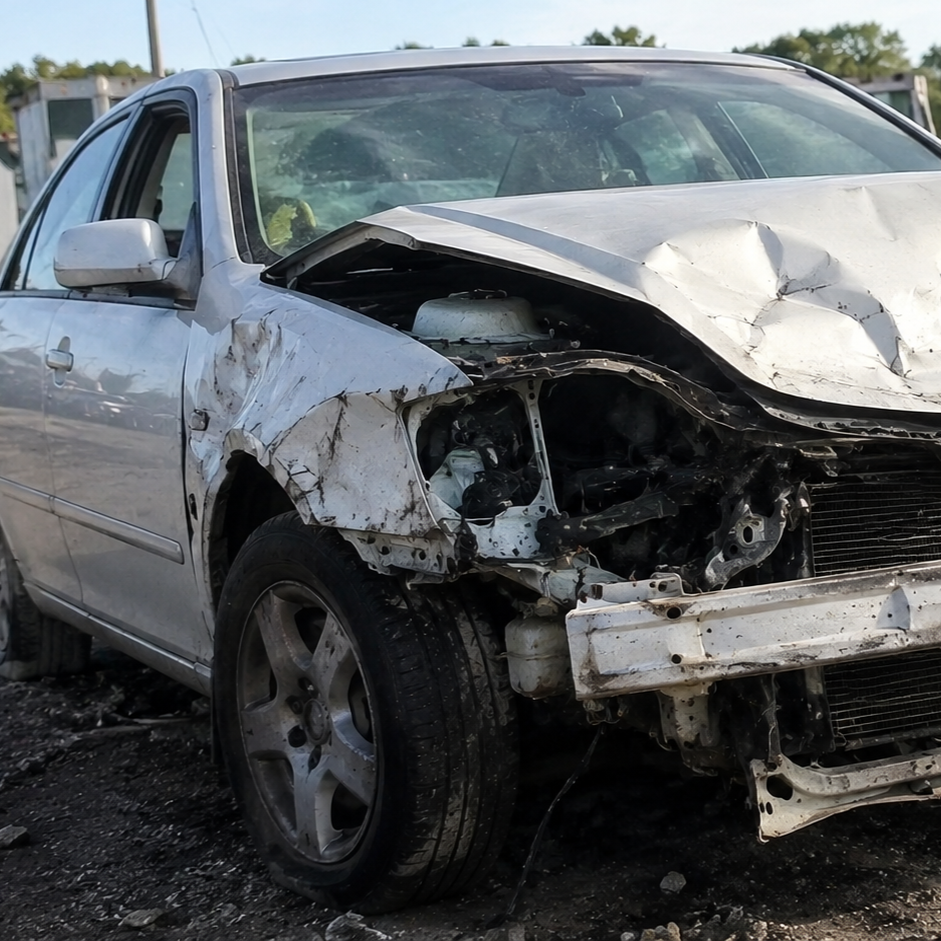
Every car owner hits this fork eventually: a big repair quote lands, and you have to decide whether the car is worth saving or if you're throwing money at a lost cause. There's no single magic number, but there is a clear way to reason through it. It comes down to the size of the repair against the car's value, the pattern of what's been breaking, and whether the car can still be trusted to get you where you're going safely.
The Core Question: Repair Cost vs. Car Value
The most useful starting point is simple math. Look up what your car is actually worth in its current condition, then compare that to the repair estimate. The widely used rule of thumb: if the repair costs more than the car is worth — or even gets close to it — fixing it usually doesn't make financial sense. Spending more to repair a car than you could sell it for means you'd be better off putting that money toward a different vehicle.
Some people use a stricter version: if a repair costs more than about half the car's value, it's at least worth questioning, especially on an older, high-mileage car likely to need more soon. The exact threshold is yours to set, but the principle holds — the bigger the repair is relative to the car's worth, the harder it is to justify.
Beyond the Math: The Other Signs It's Time
Cost isn't the only factor. A few situations point toward junking even when one repair alone might pencil out:
Repairs are piling up. If you're at the shop every month for a new problem, the total — and the hassle — adds up fast, even when each fix seems small. A pattern of failures often means more are coming.
A major system has failed. On an older car, a blown engine, a failed transmission, or serious frame damage is the kind of repair that frequently costs more than the car is worth.
The rust is structural. Surface rust is cosmetic, but rust that's eaten into the frame or body structure is a safety problem and often isn't worth — or safe — to repair.
You can't trust it. If the car keeps leaving you stranded or you don't feel safe in it, its real value to you has dropped below whatever the repair costs.
It won't pass inspection or emissions. If bringing it up to legal standard costs more than the car is worth, that's a strong signal.
When Repair Is the Right Call
Plenty of repairs are worth doing. If the car is otherwise sound — good body, reliable history, reasonable mileage — and the repair is a one-time fix that costs well under the car's value, fixing it is usually the smart, economical move. A car you know and trust, kept running for a fraction of its worth, beats taking on the cost and unknowns of a replacement. Routine maintenance and the occasional moderate repair are simply the cost of keeping a good car on the road.
| Lean toward repair | Lean toward junking |
|---|---|
| Repair costs well under the car's value | Repair costs near or above the car's value |
| A single, one-off fix | Repairs piling up month after month |
| Body and frame are sound | Structural rust or frame damage |
| Car is reliable and safe | Car can't be trusted or isn't safe |
| Engine and transmission are healthy | Major system failed on an old car |
What Happens When You Junk It
Deciding to junk a car doesn't mean it's worthless. A car that isn't worth repairing still has real value in its metal and its parts — the scrap steel and the usable components are worth money, which is why junk car buyers will pay for a vehicle that no longer runs or isn't worth fixing. So the choice isn't "spend a fortune on repairs" versus "pay to get rid of it." It's "spend on repairs" versus "get paid for the car as-is and put that toward something better." For a car that's failed the repair-versus-value test, selling it as a junk car is often the option that actually leaves money in your pocket.
When is a car not worth repairing?
The common rule is that a car isn't worth repairing when the repair costs more than the car is worth, or close to it. It's also not worth fixing when repairs keep piling up, when a major system like the engine or transmission fails on an older car, when rust is structural, or when the car can't be trusted to run safely and reliably. At that point, junking it usually makes more sense.
How do I decide whether to fix or junk my car?
Start by comparing the repair estimate to what the car is actually worth in its current condition. If the repair is well under the car's value and it's a one-off on an otherwise sound car, fix it. If the repair is near or above the car's value, repairs are recurring, or a major system or the frame has failed, lean toward junking it and putting the money toward another vehicle.
Is it worth fixing a car with a blown engine or transmission?
On an older, lower-value car, usually not — an engine or transmission replacement frequently costs more than the car is worth, which is the classic signal to junk it. On a newer car that's otherwise in good shape and still has real value, the repair can be worth it. Compare the repair cost to the car's value to decide which side you're on.
Does a junk car still have any value?
Yes. Even a car that won't run or isn't worth repairing has value in its scrap metal and reusable parts, which is why junk car buyers will pay for it. So junking isn't a cost — it's a way to get something back for a car that failed the repair-versus-value test, and to put that money toward your next vehicle instead of into a losing repair.
Should I repair my car just to sell it?
Usually not, if the repair is large. Spending heavily to fix a car right before selling often doesn't return its cost, especially on an older vehicle. If the car isn't worth repairing for yourself, it's frequently better to sell it as-is — including to a junk car buyer who'll pay for it in its current condition — rather than sink money into repairs you won't recover in the sale.
Let the Numbers and the Pattern Decide
The repair-or-junk decision gets a lot clearer when you stop looking at the repair bill alone and weigh it against the car's actual value, the pattern of what's breaking, and whether you can still trust the car. A one-off fix on a sound car that's worth far more than the repair is an easy yes. A repair that rivals the car's value, or another entry in a long list of breakdowns, is the signal to let it go — and to remember that the car still has worth as a junk vehicle when you do.
Got a car that's not worth fixing? — Get a fair offer for it as-is, running or not, and put the cash toward your next ride. I Buy Junk Cars serves Phoenix and across the Valley. Call (480) 771-8290.