Signs Your Old Car Has Reached the End of Its Life

Quick Answer Box

QUICK ANSWER: An old car has reached the end of its life when keeping it costs more than it's worth in money, reliability, or safety. The red flags include frequent, escalating repairs that add up to more than the car's value; major failures like a bad engine or transmission; constant breakdowns leaving you stranded; heavy rust or body damage; rising repair frequency where something always seems to break; safety problems or a failed inspection not worth fixing; and a car that's simply old, high-mileage, and worn out. When repairs become a money pit and you can't rely on the car, it's reached the end — and at that point, selling it for cash is usually smarter than continuing to fix it.
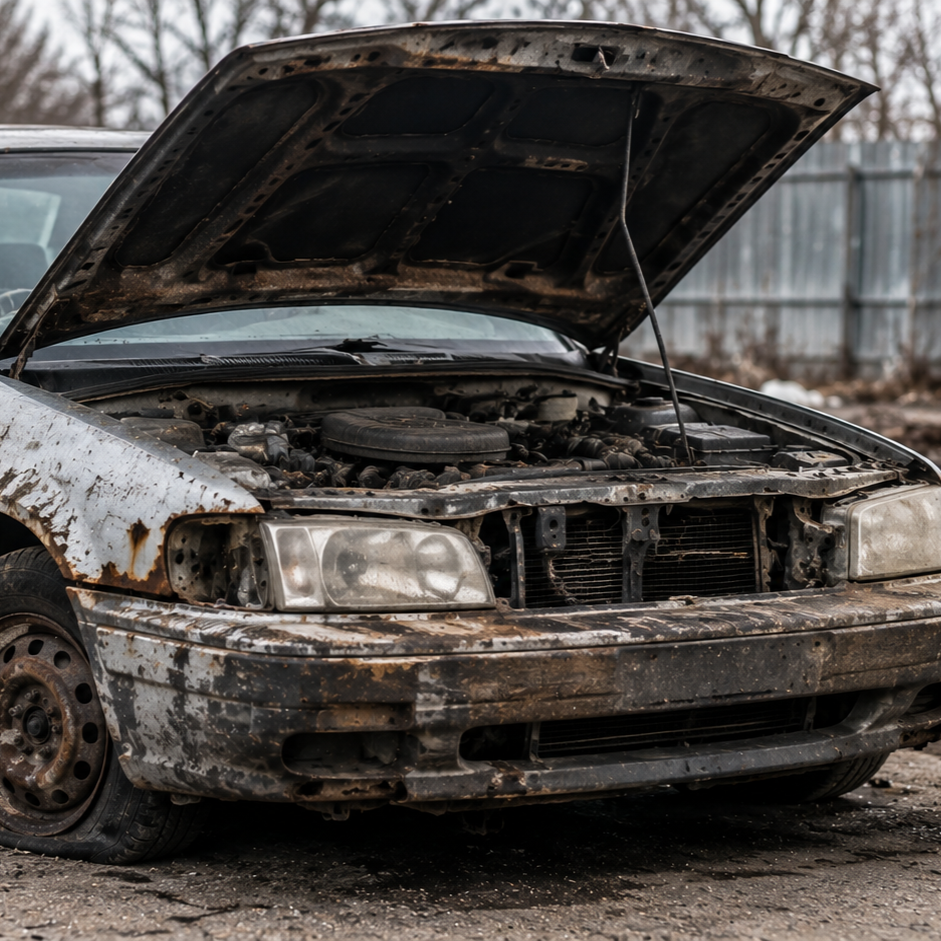
Every car reaches the end of its life eventually, but it's not always obvious when that moment has arrived. An old car can limp along for a while, costing you more in repairs, reliability, and worry than it's worth. Recognizing the signs that your car has reached the end helps you stop pouring money into it and make a smart decision. Here are the red flags that say it's time to let it go.

When "Old" Becomes "Done"

An old car isn't automatically at the end of its life — plenty of older cars run reliably for years. The shift from "old but fine" to "done" happens when the car starts costing you more than it returns: in repair money, in reliability you can't count on, or in safety. The signs below mark that shift. When several show up together, the car has crossed from a vehicle worth keeping to one that's reached the end of its usable life. Reading them helps you act before you've spent far more than the car is worth, trying to keep it going.

Sign One: Repairs That Cost More Than the Car Is Worth

The biggest red flag is financial. When repairs cost as much as or more than the car's value — or when the repairs are so frequent that they add up to more than the car is worth over time — the car has effectively reached the end. An old car with a major repair need, like a failing engine or transmission, often isn't worth fixing because the repair exceeds the car's value. And a car that needs one costly repair after another becomes a money pit, where you're continually spending more than the car returns. When the repair math stops making sense, that's a clear sign the car is done.

Sign Two: Constant Breakdowns and Unreliability

A car's basic job is to reliably get you where you need to go. When it stops doing that — breaking down frequently, leaving you stranded, or always seeming to have something wrong — it's reached the end of its practical life, regardless of the exact repair costs. The stress and disruption of an unreliable car have real value, too. When you can no longer count on the car to start and run dependably, and fixing each new problem isn't worth it, the car has crossed the line. Constant breakdowns are both a practical and a financial red flag.

Sign Three: Rust, Damage, and Rising Repair Frequency

Physical deterioration and a rising tempo of repairs are telling signs. Heavy rust or significant body damage can be costly to address relative to the car's value and may compromise safety and structural integrity. And a pattern where something always seems to break — repairs growing more frequent as the car ages and more components wear out — signals the car is wearing out as a whole. When you find yourself at the shop constantly, and the list of needed repairs keeps growing, the car is reaching the end of its life, not just having a one-off problem.

Sign Four: Safety and Inspection Problems

Safety is a red line. A car with safety problems that aren't worth repairing isn't something you should keep driving, and a failed inspection that would cost more to fix than the car is worth means the car can't be legally or safely driven without spending more than it's worth. When a car can't pass inspection or be made safe without a repair bill that exceeds its worth, it's reached the end of its road as a usable vehicle. Safety issues should weigh heavily, since an unsafe car isn't worth risking.

What to Do Next

Once the signs point to the end of your car's life, the smart move is to stop spending on it and let it go. Continuing to repair a car that's reached the end is throwing money at a losing proposition, while the car keeps losing value and reliability. The good news is that even an old, worn-out, or non-running car still has value — for its parts, metal, and salvage — and junk car buyers purchase end-of-life cars for cash, including those that don't run or aren't worth repairing. So recognizing the end isn't just about giving up on the car; it's about turning a car that's costing you into cash and freeing yourself from the repairs and unreliability. Acting at the right time saves you from spending more on a car past its prime.

Quick Answer Box

TIP: Track what you've spent on repairs over the last year. If the total is approaching or exceeding what the car is worth — and the repairs keep coming — that pattern is one of the clearest signs the car has reached the end of its life and it's time to sell rather than keep fixing it.

Frequently Asked Questions

What are the signs that an old car is at the end of its life?

The red flags include repairs that cost more than the car is worth or keep adding up, major failures like a bad engine or transmission, frequent breakdowns leaving you stranded, heavy rust or body damage, a rising frequency of repairs where something always breaks, and safety issues or a failed inspection not worth fixing. When several appear together, the car has reached the end of its usable life.

How much repair cost is too much for an old car?

A useful rule is comparing the repair to the car's value: when a repair costs as much as or more than the car is worth, it's generally too much to justify. Also consider frequency — if repairs keep adding up over time to more than the car returns, the car has become a money pit. When the repair math stops making sense, the car has effectively reached the end.

Should I keep fixing a car that always breaks down?

Usually not. A car that breaks down frequently, leaves you stranded, or always has something wrong has reached the end of its practical life, and the unreliability has real cost beyond the repair bills. When you can't count on the car and fixing each new problem isn't worth it, continuing to repair it is a losing proposition. Letting it go is typically the smarter choice.

Can I sell an old car that's at the end of its life?

Yes. Even an old, worn-out, or non-running car has value for its parts, metal, and salvage, and junk car buyers purchase end-of-life cars for cash, including ones that don't run or aren't worth repairing. So a car at the end of its life isn't worthless — it can be sold for cash rather than kept as a money pit or left to lose value.

Is heavy rust a reason to get rid of a car?

It can be. Heavy rust or significant body damage can be costly to address relative to the car's value, and it may affect the car's safety and structure. When rust is extensive enough that repairing it would cost more than the car is worth, or it compromises safety, it's a sign the car has reached the end of its usable life and is a candidate to sell rather than fix.

What should I do when my car reaches the end of its life?

Stop spending on it and sell it rather than continuing to repair a car that's done. Even an end-of-life car has value for parts, metal, and salvage, and junk car buyers purchase them for cash, running or not. Recognizing the end lets you turn a car that's costing you in repairs and unreliability into cash, at the right time, instead of spending more on a car past its prime.

Let It Go Before It Costs You More

An old car reaches the end of its life when keeping it costs more than it's worth — in repair money, reliability, or safety. The red flags are repairs exceeding the car's value, constant breakdowns, heavy rust, an ever-growing repair list, and safety or inspection problems not worth fixing. When they line up, the smart move is to stop spending and sell the car for cash, since even an end-of-life car has value. Acting at the right time saves you from chasing a car past saving.

Old car nickel-and-diming you with repairs? — Get a cash offer and let it go, running or not. I Buy Junk Cars serves Phoenix and across the Valley Call (480) 771-8290.

Red flag What it signals
Repairs exceed the car's value Money pit; effectively done
Major engine/transmission failure Costly repair beyond worth
Frequent breakdowns, stranded Unreliable; end of practical life
Heavy rust or body damage Costly, can affect safety/structure
Something always breaking Rising repair frequency
Safety issues or failed inspection Not safe or legal to drive as-is