Can You Sell a Car That's Been in an Accident? What It's Worth
QUICK ANSWER: Yes, a car that has been in an accident is very sellable, even one that is totaled or no longer runs. How you sell it, and what you get, comes down to two things: how bad the damage is and what kind of title you hold. A lightly damaged, clean-title car can still go to a private buyer, while a wrecked, totaled, or non-running car sells to a junk or salvage buyer who will tow it and pay for its scrap metal, parts, and high-value components.
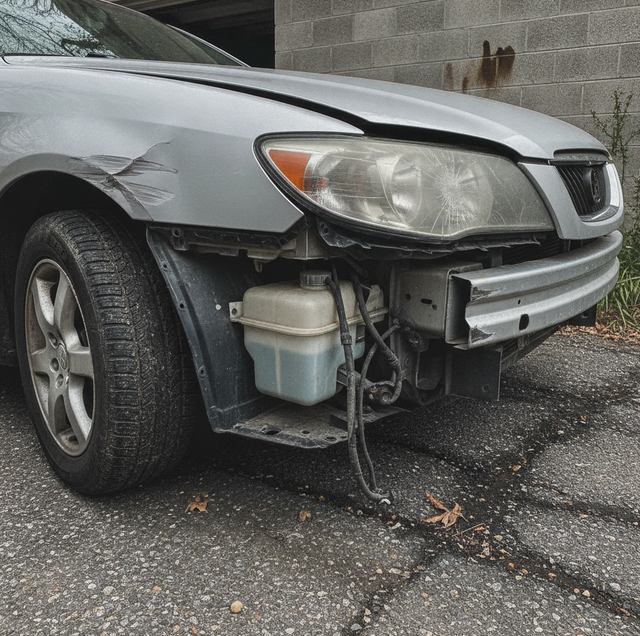
A crash does not erase a car's value. It changes where that value lives and who is willing to pay for it. A fender-bender car with a clean title and a repaired dent sells almost like any used car. A car that got folded up and written off by insurance is a different sale, but still a sale, because a junk or salvage buyer is paying for the metal and the parts, not for whether you can drive it off the lot. Knowing which situation you are in and how the offer gets built is what turns a wrecked car in the driveway into cash instead of a problem.
Here is what you can actually do with a car that has been in an accident.
What the Title Tells a Buyer
The single biggest thing that shapes an accident car's sale is its title, because that is where the crash becomes official. When an insurer decides a car costs more to repair than it is worth, they declare it a total loss, and the state issues a salvage title. That title stays with the car. If someone later repairs a salvage car and it passes a state inspection, it can be retitled as a rebuilt title, which means it was totaled once but has been fixed and cleared to drive again.
You can sell a car with either title. What you cannot do is hide it. A salvage or rebuilt title has to be disclosed to any buyer, and it lowers the value compared with a clean-title version of the same car, because the crash history follows it for good. A private buyer will pay less for a rebuilt car and may struggle to insure or finance it, while a junk or salvage buyer barely blinks at a salvage title, since they are pricing the car on its parts and metal anyway.
Runs or Doesn't Run: Why It Changes the Sale
Whether the car still starts and drives changes the logistics more than the value. A car that runs after an accident gives you more buyers to choose from, including private ones who might repair it. A car that does not run, or is not safe to drive, narrows the field to buyers who can come get it. Junk and salvage buyers are built for exactly that: they tow non-runners as a matter of routine, often with the haul folded into the offer rather than billed on top. So a car that will not turn over is not unsellable, it just sells through a buyer who brings the truck to you.
What a Wrecked Car Is Actually Worth
The offer on an accident car is built from a few honest value drivers, and understanding them makes any quote easier to judge.
The floor is scrap metal. A car's body and frame are made of recyclable steel, priced roughly by weight, so a heavier vehicle carries more scrap value, and that value moves with the commodity market from month to month. On top of the scrap sit reusable parts, which is where an accident car often surprises people. A crash usually wrecks one end of the car and leaves the rest intact, so undamaged panels, doors, glass, seats, wheels, and electronics can all be pulled and resold. If the engine or transmission survived the wreck, those are among the most valuable reusable pieces on the car.
One component deserves its own line: the catalytic converter. It is frequently the single most valuable part of a junk or wrecked car because of the precious metals inside, so whether the car still has its converter noticeably affects the offer. Overall completeness matters too. A wreck that still has its engine, converter, wheels, and electronics is worth more than the same wreck stripped or missing parts. Think of a wrecked car the way a butcher thinks of a whole animal: the value is spread across many cuts, and a buyer pays for the sum of the good ones, not for the single dent that took it off the road.
Frame Damage vs Cosmetic Damage
Not all accident damage lands the same way. Cosmetic damage, crumpled panels, a smashed bumper, broken lights, cracked glass, looks bad, but is bolt-on and repairable, so a car with cosmetic damage and a clean title can still sell to a private buyer or a repair-minded flipper.
Frame damage is the dividing line. When the crash bends the unibody or frame, it is expensive and often impractical to make the car safe and straight again, and that usually kills its resale to a private buyer, who has no way to trust it. A bent frame does not kill the sale to a junk or salvage buyer, though. They are still paying for the intact parts and the scrap metal, so a frame-damaged car that a private shopper would walk away from is a normal, expected buy for a salvage buyer.
Before the Tow Truck Comes
A little prep protects you and keeps the sale smooth. Pull the license plates before the car leaves, since in most states you keep or surrender the plates rather than sell them with the car. Cancel the registration and insurance so you are not paying for a car you no longer own. Clear out personal belongings and check the glovebox, trunk, and under the seats, because things hide in a car you have stopped using. Remove any aftermarket add-ons you want to keep, like a stereo or upgraded wheels, before the car is hauled off for good. It is also worth checking whether the catalytic converter is still there, since converter theft is common on parked, damaged cars, and knowing it is missing lets you get an accurate quote instead of a number that drops at pickup.
Can I sell a car with a salvage or rebuilt title?
Yes, both are sellable, as long as you disclose the title, which is legally required. A salvage title means the car was declared a total loss and never repaired or re-inspected; a rebuilt title means it was totaled, then fixed and passed a state inspection to be road-legal again. Either way, the value sits below a clean-title version of the same car, because the crash history is permanent. Junk and salvage buyers price these cars on scrap and parts and are not put off by the title, whereas a private buyer usually pays less and may find the car harder to insure or finance.
Does it matter if the car still runs or was totaled by insurance?
It changes who buys it more than what it is worth. A running car reaches more buyers, including private ones, while a totaled or non-running car goes to a junk or salvage buyer who tows it. "Totaled" is an insurance verdict about repair cost versus value, not a statement that the car is scrap; plenty of totaled cars still start and even drive. So a totaled car with a good engine and converter can still carry solid parts value, and a buyer who tows non-runners will quote it either way.
What is my wrecked car actually worth based on?
Four things, stacked. First, scrap-metal weight sets the floor and moves with the commodity market. Second, reusable parts, such as the doors, panels, glass, wheels, seats, and electronics that survived the crash. Third, the catalytic converter is often the highest-value single part because of the precious metals in it. Fourth, completeness: a wreck missing its engine, converter, or wheels is worth less than one that still has them. Because these move independently, two buyers can land on different numbers, so getting quotes on the same details lets you compare fairly.
Do I need the title, or can I sell an accident car without it?
The title, likely a salvage title if the car was totaled and you kept it, is the clean path and what most buyers prefer. But a missing title is not always a dead end. Some junk and salvage buyers accept a registration and photo ID, or a bill of sale, where state rules allow it, and many states offer a replacement or bonded title, or a process for selling a low-value vehicle without one. The rules are set by your state, so ask the buyer what they take and check your state's DMV requirements before assuming you cannot sell.
Should I keep the insurance payout and sell the wreck, too?
Sometimes that math works in your favor, through what is called owner-retained salvage. When an insurer totals your car, you can usually let them keep it for its full cash value, or keep the car for a reduced payout, get a salvage title, and sell the wreck yourself. You come out ahead only if a salvage or junk buyer pays you more for the wreck than the insurer deducted for it. Get a quote on the wreck before you decide, because if the deduction is steep and the scrap-and-parts value is modest, letting the insurer keep the car is cleaner.
What should I remove or handle before the tow truck comes?
Pull the plates, since in most states you keep or surrender them rather than sell them with the car, then cancel the registration and insurance so you stop paying on a car you no longer own. Clear any personal belongings from the glovebox, trunk, and under the seats, and remove any aftermarket parts you want to keep, like a stereo or nicer wheels. Finally, check underneath for the catalytic converter, because it is a common theft target on parked, damaged cars, and confirming it is present or gone means your quote holds instead of dropping when the buyer inspects the car.
What It Comes Down To
A car that has been in an accident still holds real value in its scrap metal, its reusable parts, and especially its catalytic converter, and you can sell it whether it runs, is totaled, or carries a salvage or rebuilt title. Match the car to the right buyer: a lightly damaged, clean-title car can go private, while a wrecked, frame-bent, or non-running car sells to a junk or salvage buyer who tows it and pays for what is left. Disclose the title, have your paperwork ready, weigh the insurance payout against keeping and selling the wreck, and pull your plates and belongings before pickup. Handle those, and the wreck in the driveway becomes cash instead of a chore.
Send us your wrecked car's details, and we'll quote it and arrange the tow. I Buy Junk Cars serves Phoenix and across the Valley. Call (480) 771-8290.