Heavy Equipment Removal: Safe, Efficient, and Reliable
In those moments, professional heavy equipment removal becomes the essential next step.
Heavy machinery supports countless industries, from construction and grading to logistics and manufacturing. These machines lift, haul, transport, and shape the environments where people work and live. Yet once a machine reaches the end of its service life or becomes too damaged to repair, it shifts from asset to obstacle. Old excavators, loaders, forklifts, bulldozers, and industrial units take up valuable ground space and create hazards that slow productivity. In those moments, professional heavy equipment removal becomes the essential next step. With help from trained specialists, removal becomes safe, efficient, and reliable, restoring your property, reducing stress, and offering opportunities to recover value from the machinery you no longer need.
Business owners and property managers often feel overwhelmed when trying to move heavy machinery without the right tools or knowledge. Turning the project over to a professional team avoids unnecessary risks and keeps the process aligned with regulations, environmental standards, and site safety protocols. Professionals step in with equipment designed for large-scale lifting, advanced rigging strategies, and transportation solutions capable of handling extreme weight. Their experience and planning reduce downtime, eliminate hazards, and clear your property with control and precision.
Why Heavy Equipment Removal Requires Experts
Heavy equipment rarely moves easily. Machines can weigh several tons, sit on uneven terrain, or become partially embedded in soil due to long periods of inactivity. Some units remain stuck after mechanical failure and cannot be rolled or lifted without specialized attention. Attempting a DIY approach introduces risks, including property damage, personal injury, and equipment failure. Even attaching a chain incorrectly can cause sudden weight shifts that lead to accidents or structural damage.
Professional heavy equipment removal services are designed for these challenges. They use cranes, lowboy trailers, winches, rigging gear, and stabilizing equipment that meet industrial standards. A trained team evaluates the safest direction of movement, the machinery's structural condition, and the tools required to lift and transport it. Whether the unit sits on a remote site, is collapsed in a yard, or is stranded after a mechanical failure, professionals have the planning and resources to remove it without harming people or equipment.
Safety as the Top Priority
Every removal project begins with a thorough safety assessment. This evaluation identifies hazards such as unstable ground, obstructed access paths, electrical lines, fuel leaks, or hydraulic pressure stored in the machine. Heavy equipment can shift suddenly when lifted or pulled, making precision essential.
Professional crews follow strict safety procedures that include securing moving parts, draining fluids, locking out electrical components, and stabilizing the machine before rigging begins. Cranes, hoists, and trailers are operated by trained specialists who understand load distribution and safe lifting angles.
Hazardous materials also receive careful attention. Many machines hold hydraulic oil, coolant, diesel, lubricants, and other fluids that must be drained and contained before transport. Disposal follows environmental guidelines that prevent contamination. Each step is designed for controlled movement, environmental responsibility, and protection of nearby structures.
Efficient Solutions That Save Time
When heavy machinery stops functioning, it affects schedules and project timelines. Professional heavy equipment removal eliminates long delays by handling the process quickly and strategically. You avoid juggling equipment rental companies, additional contractors, or local permitting offices.
The process begins with a consultation where you describe the equipment, including its size, type, and condition. A site visit may be scheduled if the terrain or environment requires special planning. The team then develops a removal strategy that identifies the safest access points, lifting methods, and transport equipment required.
On removal day, trained operators rig, lift, secure, and load the machinery with efficiency. Their familiarity with complex scenarios, such as tight clearances or uneven soil, helps them avoid setbacks and keep the project on schedule. What might take weeks to coordinate independently can often be completed in a day with a professional crew.
Compliance With Regulations and Permits
Oversized load transport is subject to state and local regulations that dictate weight limits, route approvals, travel schedules, and escort vehicle requirements. Attempting to move heavy machinery without proper permits can result in fines and delays.
Professional heavy equipment removal companies manage these legal responsibilities for you. They secure necessary permits, plan approved travel routes, and adhere to all weight and size guidelines. Environmental regulations for battery disposal, fluid containment, and hazardous materials are also followed closely. Their expertise safeguards your project and eliminates time-consuming paperwork.
Affordable and Transparent Pricing
Many property owners fear that professional removal will exceed their budget. While the job does involve advanced tools and skilled labor, professionals can offset costs by salvaging materials from the equipment. Heavy machinery contains valuable steel, copper, aluminum, and other metals that hold resale value. If any parts remain functional, they may be sold for refurbishment or reuse.
This value allows companies to provide clear, upfront pricing with no hidden fees. In many cases, the salvage value significantly reduces the customer's total cost or makes the project profitable.
The Step-by-Step Removal Process
Heavy equipment removal follows a predictable structure that keeps the experience organized and transparent.
Initial Assessment: The team gathers information, reviews photos, and, if necessary, visits the site.
Quote and Scheduling: A detailed quote is provided, and a removal day is chosen based on your availability.
Preparation: Fluids are drained, power is disconnected, and the site is cleared for safe access.
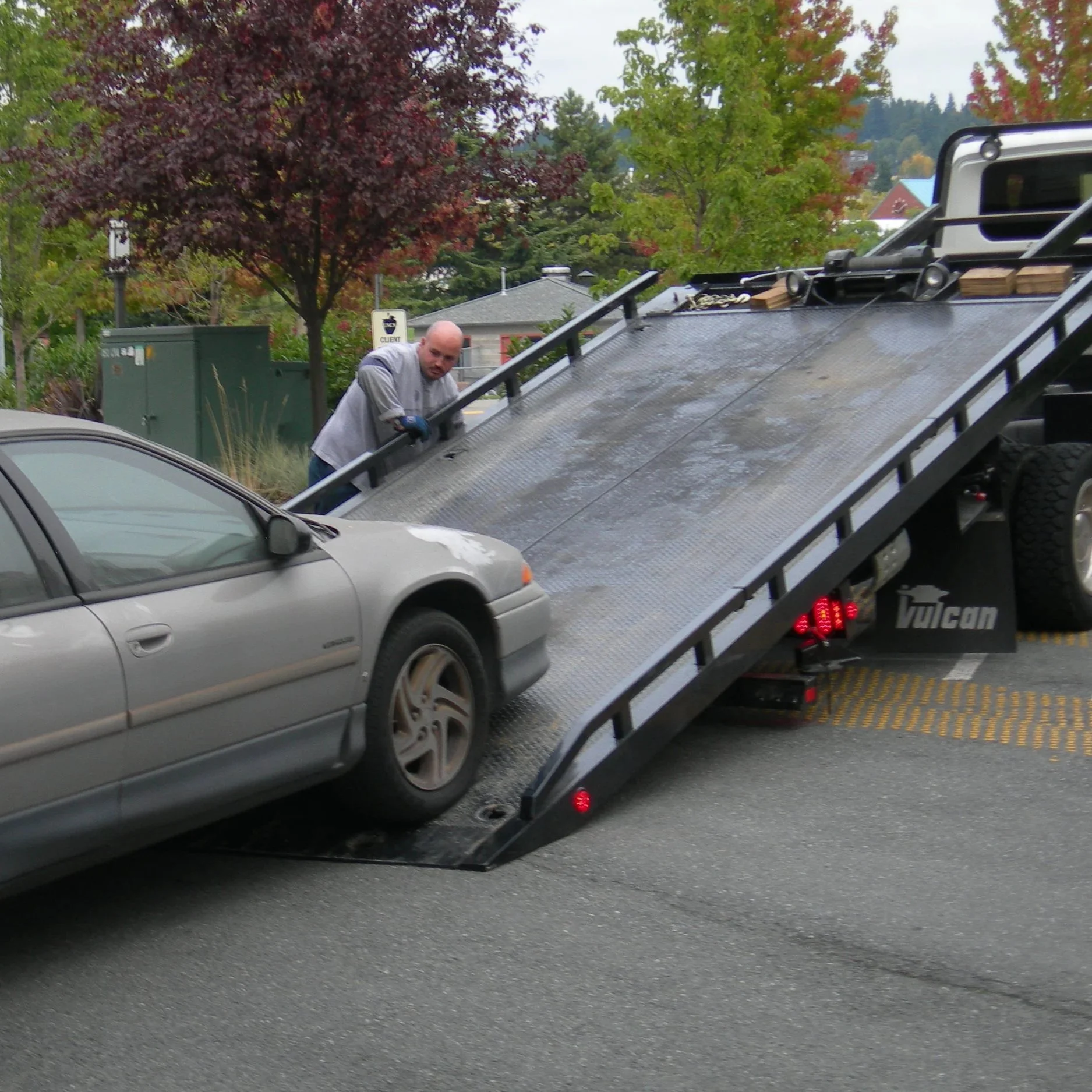
Rigging and Loading: Cranes, rigging gear, and trailers lift and stabilize the machine for transport.
Transport and Recycling: The equipment is delivered for resale, recycling, or disposal, depending on its condition.
Final Cleanup: The site is cleared of debris and left ready for its next use.
The Role of Recycling in Heavy Equipment Removal
Recycling is central to the removal process. Heavy machinery contains metals and components that support sustainable manufacturing. Recycled steel and aluminum reduce the demand for raw materials, while reclaimed copper wiring and mechanical components find new life in repair and production.
Fluids such as oil and coolant are disposed of properly, preventing soil contamination. Batteries, electronics, and wiring are handled in accordance with environmental regulations. Recycling not only reduces landfill waste but also lowers removal costs by recovering material value.
How Heavy Equipment Removal Adds Property Value
Removing unused machinery improves safety and opens space for more productive use. Heavy equipment left in place can block pathways, hinder new construction, and detract from the site's overall appearance. Clearing it away reveals opportunities for expansion, new buildings, improved access flow, or landscaping improvements.
A clean, hazard-free property often commands a higher market value. Whether selling, leasing, or preparing for redevelopment, removal strengthens your property's appeal and supports plans.
The Benefits of Choosing a Local Removal Service
Local heavy equipment removal teams understand regional zoning laws, environmental guidelines, traffic patterns, and seasonal challenges. Their familiarity with the local environment helps them navigate routes, access points, and permitting efficiently.
Local companies also offer faster response times, often scheduling same-day or next-day service. Because they serve the community directly, they prioritize communication, accuracy, and dependable support. Their reputation relies on delivering trustworthy, high-quality results.
Avoiding Common Mistakes
Delaying removal can make the process more expensive by allowing equipment to deteriorate and reduce its salvage value. Attempting DIY removal risks injury, property damage, and legal issues. Hiring companies without proven experience may lead to incomplete removal, hidden fees, or unexpected delays. Choosing a reputable professional prevents these issues and protects your investment.
Turning a Burden Into an Opportunity
Heavy equipment that no longer contributes to your operations becomes an obstacle. Professional Heavy Equipment Removal turns that obstacle into an opportunity. With a trained team managing the entire process, you gain open space, improved safety, and the potential for financial returns from recyclable components. The system is structured, predictable, and customer-centric.
The Smart Choice for Safe, Efficient, and Reliable Removal
Heavy equipment removal may seem daunting, but professionals streamline every step. They lift, transport, and recycle with precision, protecting your property and reducing cost and stress. Whether preparing a site for development or clearing out old machinery, professional removal is the safest and most efficient solution.
FAQs
How long does heavy equipment removal usually take?
Most projects are completed in a single day once scheduled, depending on equipment size and site conditions.
Do professionals remove equipment that no longer runs?
Yes. Teams specialize in removing inoperable or severely damaged machinery using cranes and rigging systems.
Will I need to secure any permits?
Permit requirements vary by location and machinery size. Professional services manage all permits on your behalf.
Can I be paid for my old heavy equipment?
In many cases, yes. Salvageable metal and components may provide sufficient value to cover payment or reduce service costs.
What if the equipment is located in a difficult or tight area?
Professionals evaluate the site and plan a safe approach using specialized tools designed for limited access spaces.
How are hazardous materials handled?
Fluids, batteries, and electronics are removed and processed in accordance with environmental regulations.
Is heavy equipment removal available for industrial facilities?
Yes. Removal teams work in warehouses, plants, construction sites, storage yards, and rural locations.
Do I need to prepare the equipment before removal?
Removing personal items and clearing access paths is helpful. The professional team completes all technical steps.
I Buy Junk Cars is a reliable cash for cars service provider in the Phoenix Metro area. Get a fast cash offer now with our cash quote service. Whether it is a car, SUV, van, or truck, we buy them all in any condition. Call today for a quote.