
From Setup to Scrap: How to Get Trailer Home Removal Done Right
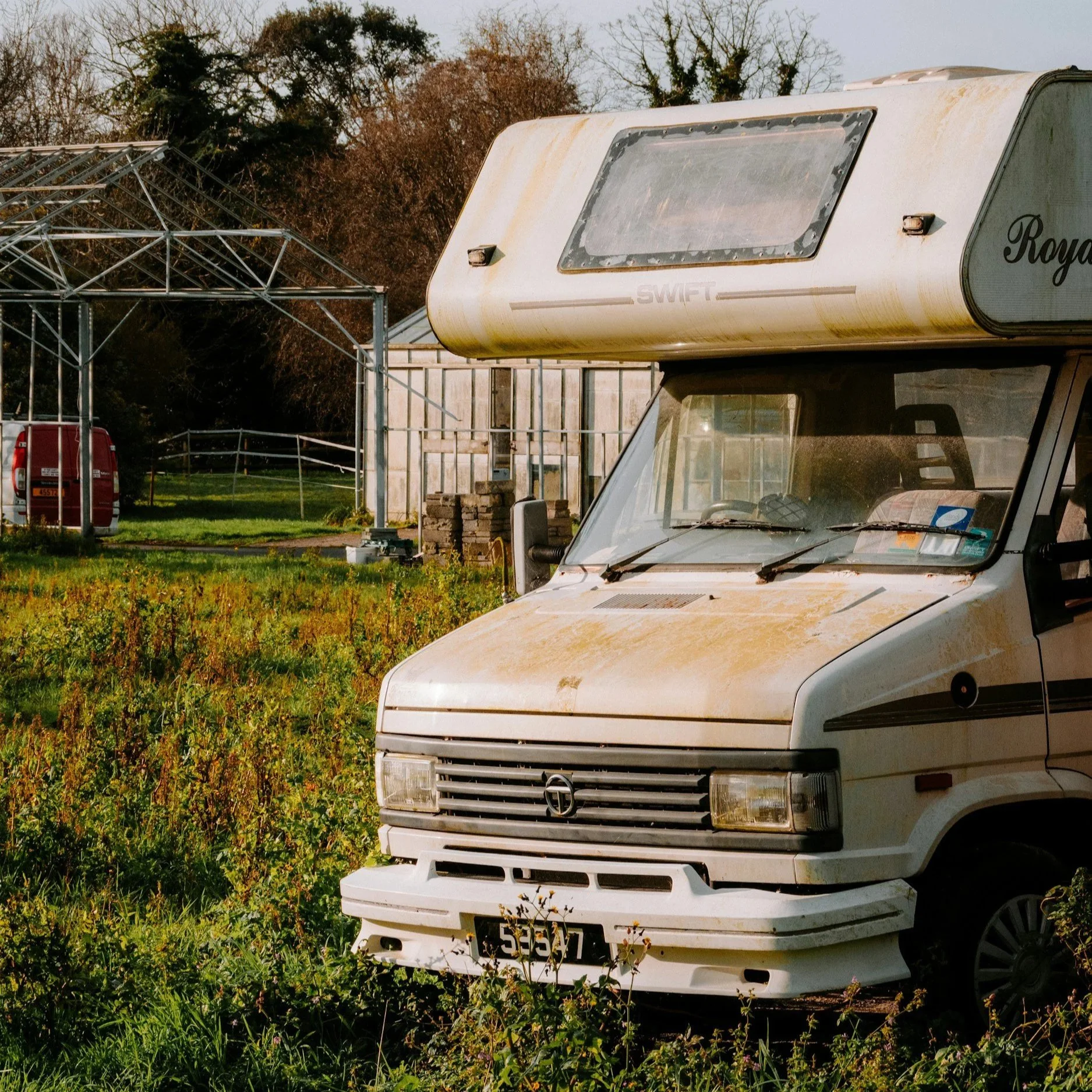
It’s not just about hauling away a structure; it’s about managing permits, navigating recycling regulations, and keeping the entire process efficient from start to finish.
Trailer homes have a way of hanging around long after their glory days are gone. Once a cozy space for family gatherings or an affordable entry into homeownership, they eventually reach a point where repair costs outweigh their value. When that time comes, professional trailer home removal is the smart, safe, and financially sound move. It’s not just about hauling away a structure; it’s about managing permits, navigating recycling regulations, and keeping the entire process efficient from start to finish. Professional removal services do it all with the kind of precision that leaves you wondering how they made it look so effortless.
Understanding Why Trailer Home Removal Matters
Trailer homes aren’t simple sheds or small backyard projects. They’re structures with plumbing lines, electrical connections, and, sometimes, foundations that have settled deeply into the soil over decades. Leaving one to deteriorate can invite pests, attract city fines, and turn once-useful property into a safety concern. Professional removal helps homeowners reclaim valuable land and prevent environmental issues like leaking fuel tanks or hazardous debris.
For many, trailer home removal represents more than just demolition. It’s a chance to start fresh. Maybe you’re planning to replace it with a new modular unit, build a home addition, or sell the property. Either way, removal professionals help you move from clutter to a clean slate without the chaos of handling heavy machinery, disconnecting tasks, or disposing of debris on your own.
The First Step: Site Assessment And Planning
Before any equipment rolls in, professionals begin with a full site assessment. It’s not about eyeballing the trailer and guessing the best way to tear it down. Specialists inspect the structure’s stability, look for asbestos or lead paint, and identify any buried lines or utilities. If the trailer is older, it may also have outdated wiring or materials that require special handling under state and federal regulations.
Once the property is inspected, a removal plan is drawn up. This includes mapping truck access routes, determining the amount of the trailer that can be salvaged, and coordinating disposal logistics with local recycling centers. In many cases, parts of the trailer, such as aluminum siding, copper wiring, or steel framing, can be recycled, reducing landfill waste and even returning some cash value to the homeowner.
Handling Permits And Legalities
Every city or county has its own playbook for removing trailer homes. In areas like Phoenix, Tucson, or Las Vegas, removal might involve building permits, environmental clearance, and waste transport authorization. Professional removal companies stay up to date on those local requirements, so homeowners don’t have to sort through pages of regulations.
There’s also the matter of title transfer. Many trailer homes are still registered with the Department of Motor Vehicles, even decades after they stopped moving. Professionals help manage the paperwork to legally retire that title, preventing future tax or ownership disputes. It’s one of those small details that’s easy to overlook but vital for a smooth removal process.
Preparing The Site For Removal
Once the paperwork and planning are squared away, the real work begins. Preparation involves clearing nearby obstacles, such as fences, sheds, or overgrown vegetation, that might block access. If the trailer is connected to utilities, technicians safely disconnect power, gas, and water lines. Septic tanks are sealed or removed, and any hazardous materials, such as propane tanks or old batteries, are collected separately for disposal.
Professionals then stabilize the trailer to prevent collapse during lifting or dismantling. Some removal jobs require cranes, while others use heavy-duty tow trucks to pull the structure onto a flatbed for transport. The chosen method depends on the trailer’s condition, size, and surrounding terrain. A professional team adapts quickly, using specialized tools to minimize mess and disruption on the property.
Dismantling Versus Full Removal
There are two main approaches to trailer home removal: dismantling on-site or hauling the entire structure away in one piece.
Dismantling works best when space is limited or when parts of the trailer can be reused. Crews break down the home section by section, salvaging materials as they go. It’s a precise process that reduces waste and lowers transportation costs. The downside is that it takes more time and manpower, especially if hazardous materials are discovered mid-way.
Full removal, on the other hand, is faster and ideal for trailers in decent structural condition. Using a combination of hydraulic lifts and towing equipment, professionals load the trailer onto a transport truck and take it directly to a recycling or demolition facility. This option is often preferred in wide, open spaces where maneuvering large vehicles isn’t an issue.
Environmental Considerations In Trailer Home Removal
Modern removal companies prioritize sustainability. Trailer homes built before the 1980s often contain materials that today would never pass environmental standards. Asbestos insulation, lead-based paint, and old wiring can’t simply be tossed into a dumpster. Professionals follow strict guidelines for containment and disposal, partnering with certified recycling centers to reduce landfill impact.
In many regions, parts of the trailer are repurposed. Metal components are melted down, wood panels are processed for fuel, and certain plastics are recycled into new construction materials. Choosing a company that focuses on eco-friendly removal not only benefits the environment but also demonstrates good stewardship of your property.
Avoiding Common Mistakes In Trailer Home Removal
Homeowners often underestimate the effort required to remove a trailer home safely. A common mistake is assuming any demolition crew can handle the job. Trailer homes present unique structural challenges compared to stick-built houses. Their lightweight frames can collapse under improper handling, and their construction materials often require careful dismantling rather than brute force.
Another mistake is neglecting to check local disposal regulations. Dumping debris at unauthorized sites or failing to recycle appropriately can lead to fines. Professional removal services are familiar with waste management laws and handle disposal through licensed facilities only.
Finally, homeowners sometimes overlook the cleanup phase. A professional crew doesn’t just remove the trailer; they restore the land to a usable condition. That means grading the soil, removing leftover debris, and preparing the site for future development or sale.
Seasonal Timing And Weather Considerations
The best time for trailer home removal often depends on your region’s climate. In southern states like Arizona and Nevada, late fall and winter are ideal since cooler temperatures make outdoor work more manageable. Summer removals can still be done, but crews must navigate intense heat, which can affect both equipment performance and worker safety.
For northern areas, spring and early summer bring stable weather and fewer scheduling delays. Frozen ground in winter can make removal tricky, particularly when dealing with buried lines or septic systems. Professional teams plan around these seasonal variables, keeping the process efficient regardless of temperature or terrain.
Cost Factors And Value Recovery
Trailer home removal costs vary based on location, accessibility, and the size or condition of the structure. A single-wide in good condition might cost less to remove than a double-wide with structural damage. Additional expenses may arise if the site includes complex hookups or difficult terrain.
The good news is that professionals often offset costs through salvage value. Metals, appliances, and certain reusable components are resold or recycled, reducing the homeowner’s final bill. Some removal companies even offer trade-in credits when replacing the old trailer with a new one. Getting an upfront quote that includes hauling, disposal, and cleanup prevents unpleasant surprises later.
Why Professional Removal Beats DIY Every Time
There’s a temptation to rent a truck, call a few friends, and turn trailer removal into a weekend project. Unfortunately, that approach often leads to damage, injury, or unexpected costs. Trailer homes are large, heavy, and often filled with materials that can’t be safely handled without the right tools and training.
Professionals bring more than muscle to the job. They bring expertise. They understand structural weaknesses, know how to handle power outages, and have the necessary permits to transport oversized loads. A DIY job might save a little upfront, but when you factor in equipment rental, landfill fees, and safety risks, professional service is the more affordable and far safer option.
Safety From Start To Finish
Safety is the cornerstone of any professional removal project. Crews wear protective gear, secure the area to keep bystanders away, and follow established safety protocols. Electrical lines are double-checked before cutting, heavy equipment operators maintain clear communication with spotters, and debris is contained to prevent hazards.
In older trailers, professionals also test for mold and hazardous materials before demolition begins. By addressing those issues early, they protect both the property and the surrounding environment from contamination. That kind of foresight separates professional removal from the quick jobs that cut corners.
The Final Cleanup And Property Renewal
Once the trailer is gone, the transformation begins. The crew removes all remaining materials, hauls off debris, and smooths the land. Depending on the homeowner’s plans, the cleared lot can be prepped for a new structure, repurposed as open space, or staged for sale. The area looks refreshed, safe, and ready for the next chapter.
Reputable trailer home removal companies treat the cleanup phase with as much care as the removal itself. Their goal is to leave behind a site that’s functional, clean, and compliant with local regulations. It’s the professional touch that turns an old, forgotten trailer into a story of renewal.
Choosing The Right Trailer Home Removal Company
Selecting the right team makes all the difference. Look for licensed, insured companies with positive local reviews and experience handling both single and double-wide units. Ask about recycling partnerships, safety certifications, and their permit-obtaining process. A good company communicates clearly, provides written estimates, and handles every step without burdening the homeowner.
A trustworthy removal partner doesn’t just take away the structure. They handle the headaches, too. From site inspection to final cleanup, their expertise keeps the process smooth and stress-free, allowing homeowners to focus on what comes next.
Trailer home removal may not sound glamorous, but in capable hands, it’s a turning point. It’s about reclaiming your property, improving safety, and making way for new possibilities. When professionals take charge, everything from setup to scrap is handled correctly, start to finish.
I Buy Junk Cars is a reliable cash for cars service provider in the Phoenix Metro area. Get a fast cash offer now with our cash quote service. Whether it is a car, SUV, van, or truck, we buy them all in any condition. Call today for a quote.